Tensor Touch
Signal Intelligence Starts at the Edge
Signal Intelligence Starts at the Edge
The shift from low‑resolution, fixed‑firmware touch ICs to CogniSense’s Tensor-ΣΔ AFEs capture continuous touch physics, enabling software-defined interpretation beyond fixed firmware controllers. Resolution, noise immunity, scalability, and power efficiency enabling software‑defined touch go far beyond X,Y coordinates to interpret identity, intent, pressure, and biometrics.
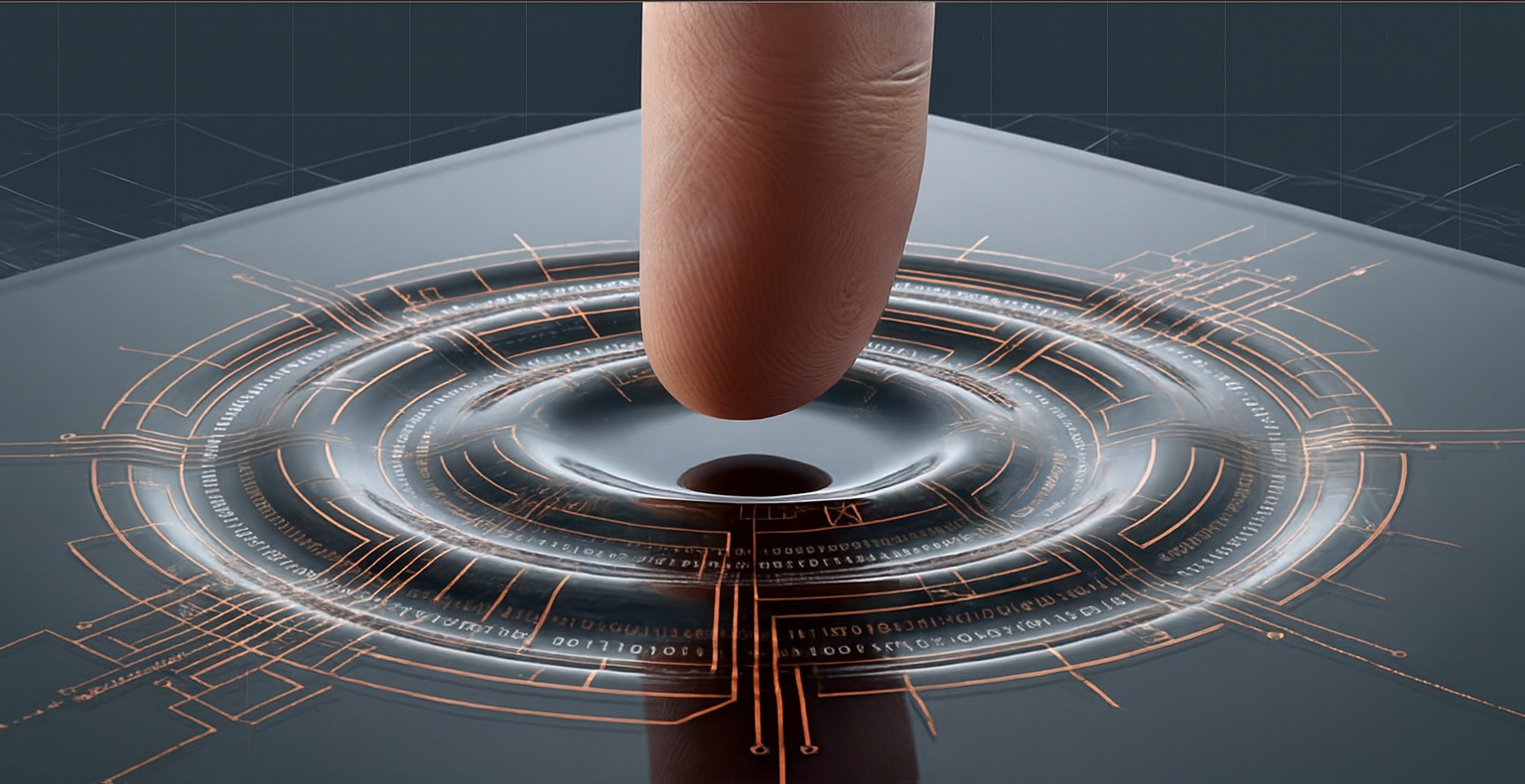
Tensor‑ΣΔ For Automotive HMI
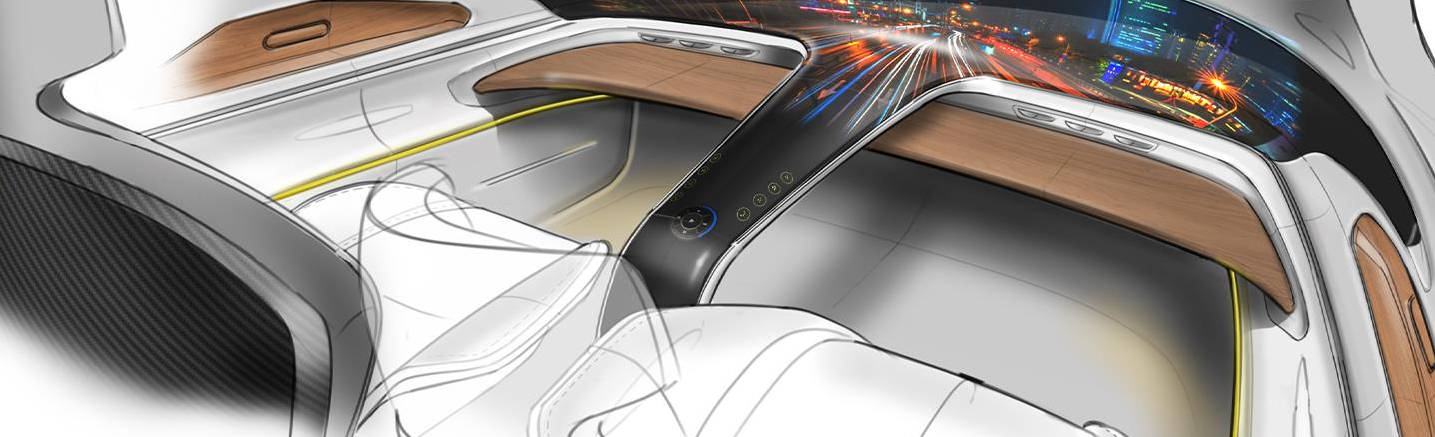
Touch ICs That Support HMI Intelligence & Biometric Data
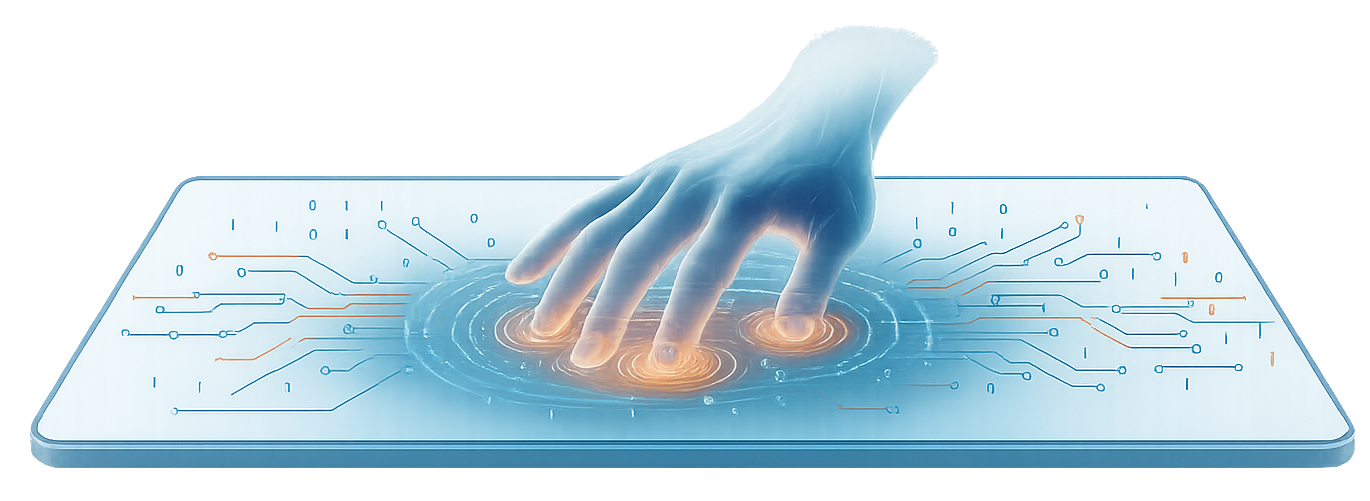
Enables higher-order classification such as user differentiation, gesture characterization, and behavioral pattern detection.
Where Every Touch And Input Device Gets a Lane
Tensor-ΣΔ + CDMAX Unlocks True Multi‑User Input
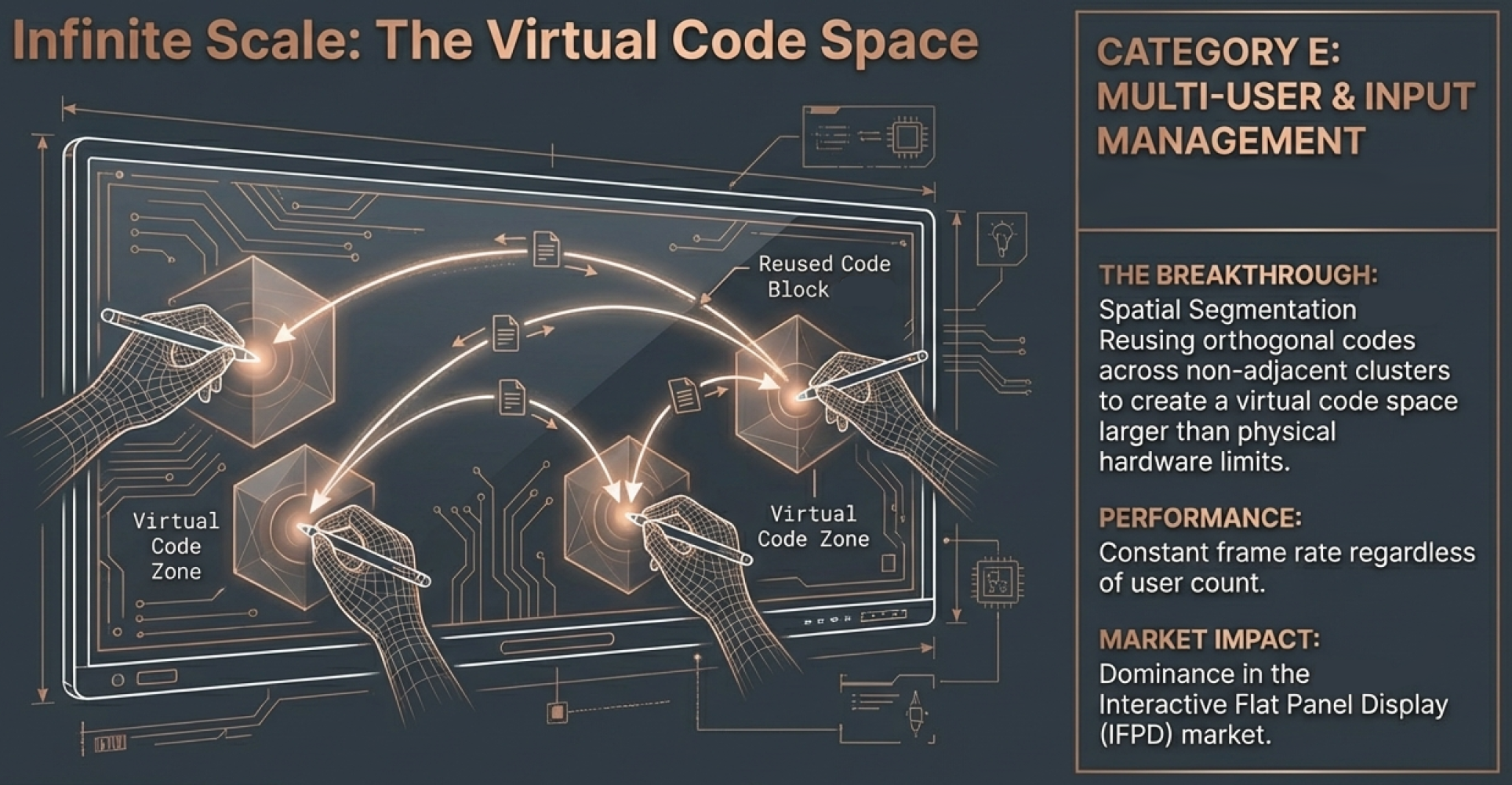
CDMAX enables collision‑free, multi‑user touch by reusing orthogonal codes across separated zones, creating a orthogonal code reuse enables simultaneous independent touch streams without frame-rate degradation. than the physical panel. This architecture preserves full frame rate regardless of user count and delivers scalable, high‑precision input that strengthens competitiveness in the rapidly growing IFPD market. Noise and water immunity are other key benefits to Tensor‑ΣΔ Touch.

Wrist-To-Wall Scalability
No need to design different MCUs for different markets → the orthogonal code reuse enables simultaneous independent touch streams without frame-rate degradation.
Tensor‑ΣΔ enables a single sensing architecture to scale from tiny wearables to full automotive surfaces by processing signals at the analog front end, preserving fidelity regardless of noise or wiring variability. This eliminates fragmented MCU designs and delivers uniform performance across applications of any size → input devices too.
What Tensor-ΣΔ Sensing + Host AI Enables